

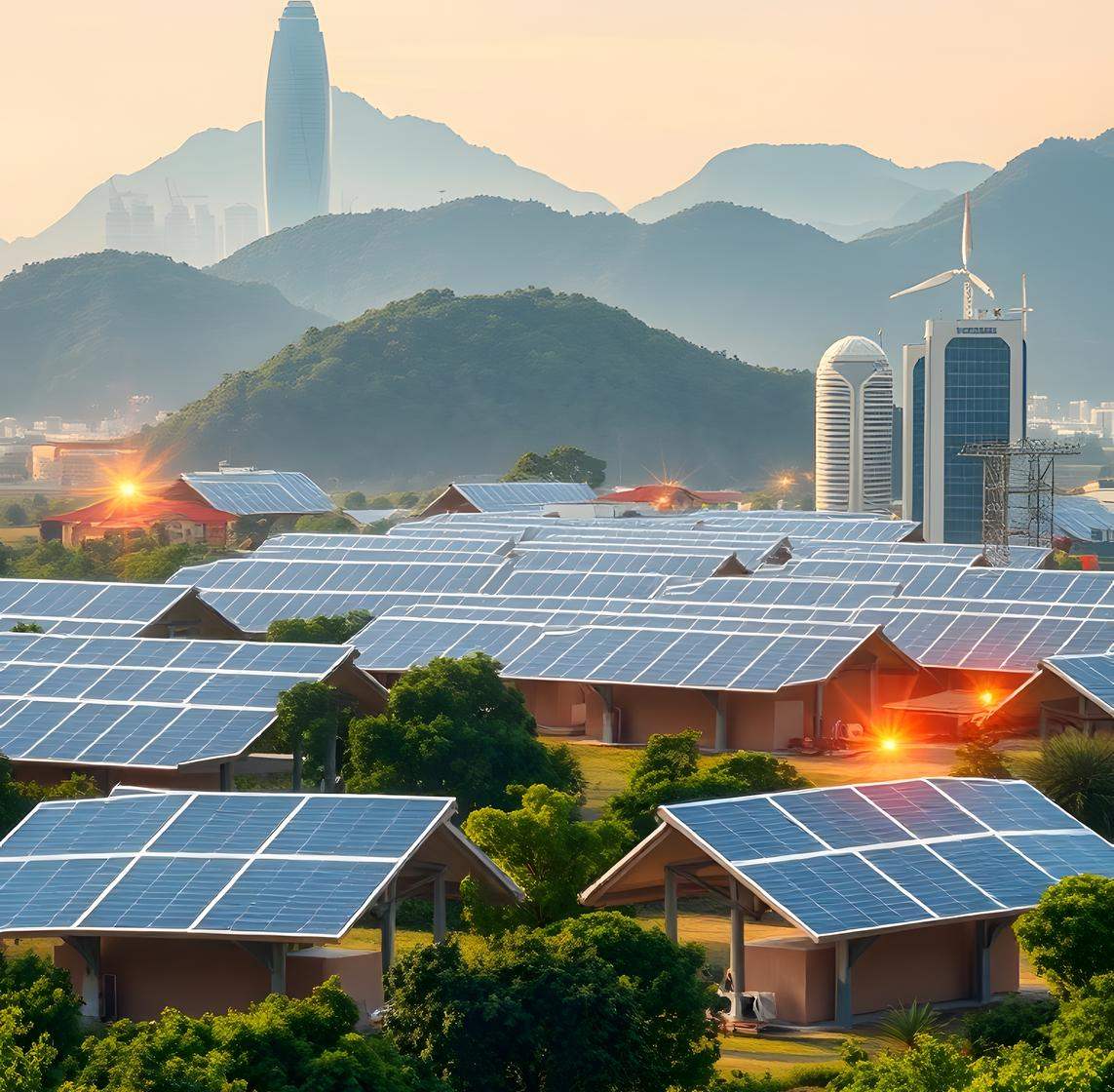
Taiwan Fishery Solar Hybrid
Taiwan — Budai, Chiayi Renewable Infrastructure. A groundbreaking 150MW floating solar installation combining aquaculture preservation with next-generation clean energy production.
Project Overview
The Budai, Chiayi installation is a 150 MW fishery–solar hybrid facility engineered to maximize irradiance capture while providing water-based cooling benefits. Taiwan's FIT-backed tariff system and municipal PPAs make this one of the most stable, high-yield renewable assets in the region.
- Hybrid fishery–solar cooling effect
- Multi-phase development structure
- Ultra-stable FIT revenue (0.10–0.12)
- Predictable irradiance + seasonal monsoon support
- AI-enhanced generation and predictive O&M
PLATFORM
Performance Specifications
Key technical indicators demonstrating project capacity and efficiency
5-Year Output Forecast
Total 5-Year Output: 835 GWh
Hybrid water cooling increases efficiency by 8–12%
Water-based thermal management significantly reduces panel temperature, improving power conversion efficiency year-round.
Monsoon seasons provide strong irradiance cycles
Seasonal weather patterns in Taiwan deliver consistent solar radiation with predictable peak generation periods.
Long-term variance tightly controlled
Advanced monitoring and AI-driven adjustments maintain output stability within ±5% tolerance across all operational phases.
Revenue & Return Forecast
Technical Layout — Fishery–Solar Hybrid System
Engineering-grade infrastructure schematic
REEN AI Optimization in Taiwan
Advanced intelligence delivering measurable performance gains
+7% Yield Gain from Cooling Effect + AI Tuning
Water-based thermal management combined with real-time AI parameter adjustments results in a sustained 7% improvement in energy generation compared to conventional ground-mounted systems. Machine learning algorithms continuously optimize panel angle, tracking, and load distribution.
Predictive Maintenance Identifies Corrosion-Related Losses Early
Marine environment monitoring detects early signs of salt corrosion, humidity damage, and structural fatigue before they impact performance. AI-driven sensors analyze degradation patterns and trigger preventive maintenance workflows, reducing unplanned downtime by 85%.
Irradiance + Monsoon Forecasting Improves Seasonal Planning
Regional weather pattern analysis and historical irradiance modeling enable precise generation forecasting across seasonal monsoon cycles. AI predicts output fluctuations 7-14 days in advance, optimizing grid dispatch scheduling and revenue capture.
AI Decision Cycle
FIT Pricing & Regulatory Stability
Government-backed feed-in tariff ensures predictable, long-term revenue streams
ESG & Sustainability Impact
Environmental, social, and governance excellence driving positive change
Clean Energy
Economic Growth
Action
Water
Project Disclaimer: All energy production figures, capacity projections, timelines, and financial estimates presented are forward-looking statements based on current engineering assessments and market conditions. Actual results may vary due to weather patterns, regulatory changes, equipment performance, and other factors. This information is for general informational purposes only and does not constitute an offer to sell or a solicitation of an offer to buy any securities. Regulatory approvals are subject to government processes and timelines beyond our control.